New Jersey’s Structural Integrity Law (S2760/S3992): The Ultimate Guide for Condominium Associations
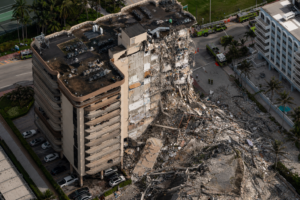
New Jersey’s Structural Integrity Law (N.J.S.A. 52:27D-132.2) fundamentally transformed building safety, inspection mandates, and capital reserve rules for condominium and cooperative associations across the state. Enacted in response to the Surfside building collapse, the legislation shifts building oversight from reactive maintenance to mandatory physical evaluations and forced financial planning.
Whether you serve on a condo board, manage multi-family assets, or own a residential unit, here is everything you need to know about statutory compliance, reserve mandates, and structural remediation.
1. Which Buildings Are Covered Under the Law?
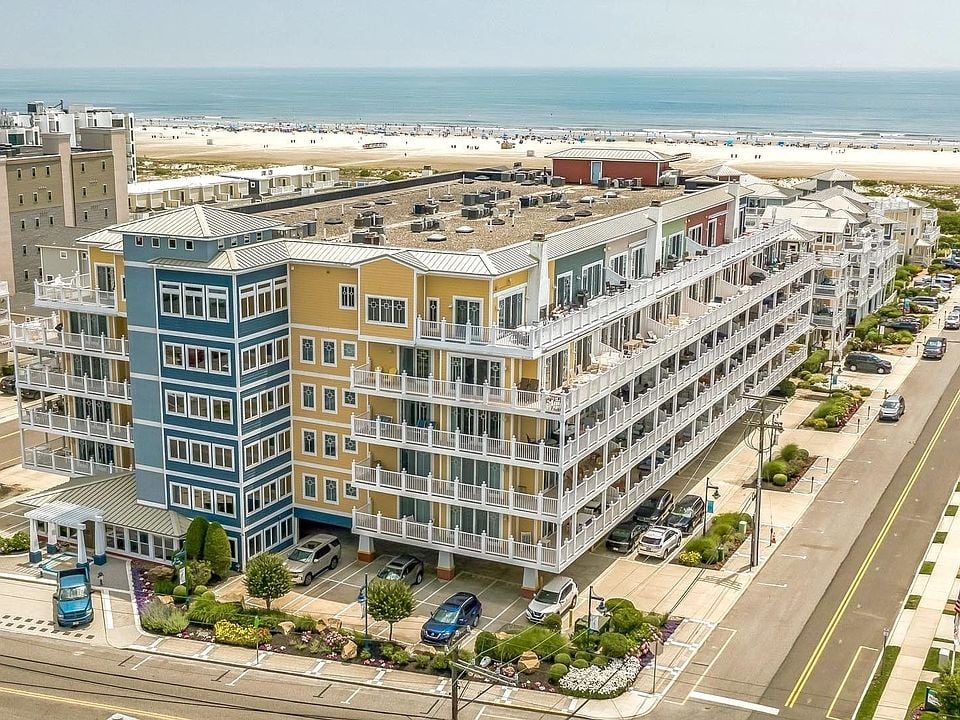
The legislation specifically targets “covered buildings”—residential condominiums and cooperatives whose primary load-bearing system relies on:
-
Reinforced concrete
-
Structural steel
-
Masonry assemblies
-
Hybrid timber and podium deck construction (elevated concrete slabs over parking)
Note: Wood-frame townhouse communities without heavy structural common elements may be exempt from primary structural inspections, but almost all associations maintaining over $25,000 in common assets remain bound by the law’s 30-year capital reserve mandates.
2. Mandatory Structural Inspection Cycles
Covered buildings must undergo comprehensive physical evaluations of their primary load-bearing systems conducted by a New Jersey-licensed professional engineer.
-
Buildings 15+ Years Old: Initial primary structural assessments were mandated to be completed by January 8, 2026.
-
Newer Construction: Initial evaluations must take place within one year after reaching the building’s 15-year mark from its Certificate of Occupancy.
-
Re-Inspection Schedule: Subsequent structural inspections must recur at least every 5 to 10 years depending on engineer recommendations.
-
60-Day Observable Damage Trigger: If visible structural distress appears (e.g., severe concrete spalling, sagging slabs, or shear cracking), a qualified engineer must evaluate the site within 60 days.
3. What Do Structural Inspections Evaluate?
Engineering reviews focus strictly on structural safety rather than cosmetic wear. Key areas inspected include:
-
Foundations, footings, and load-bearing columns
-
Concrete balconies and cantilevered walkway slabs
-
Elevated parking garages and podium decks
-
Beams, girders, and structural steel support frames
-
Waterproofing membranes affecting structural components
4. Strict 30-Year Capital Reserve Study Mandates
The law enforces stringent financial rules to prevent surprise special assessments and unfunded repair liabilities:
-
30-Year Horizon: Associations must maintain a reserve study with a 30-year funding plan, updated at least once every 5 years by a certified Reserve Specialist (RS) or licensed engineer/architect.
-
Zero-Balance Rule: Reserve balances cannot drop below $0 at any point during the 30-year projection.
-
Catch-Up Funding Rules: If an association has a reserve funding deficit, it must cure the shortfall. Deficits under 10% of annual assessments must be resolved within 2 years, while deficits exceeding 10% can be phased over up to 10 years.
-
Temporary 85% Option (S3992 Amendment): Associations facing severe financial stress may fund reserves at 85% of the recommended rate for up to 5 fiscal years, provided they issue explicit 20-point bold font disclosures to all current owners and prospective buyers.
5. Statutory Authority Granted to Condo Boards
To prevent political delays from stalling critical safety repairs, N.J.S.A. 52:27D-132.2 grants association boards direct legal authority to levy special assessments or secure loans to perform mandated structural maintenance. Boards do not need unit owner approval or a membership vote to fund required load-bearing repairs.
Structural Restoration with Lasher Construction
When engineering inspections reveal concrete spalling, rebar corrosion, or parking deck degradation, execution is as critical as the initial report. Lasher Construction provides design-build structural restoration, concrete repair, balcony rehabilitation, and waterproofing solutions across New Jersey. Proactive restoration today preserves structural safety and protects long-term property values for decades to come.