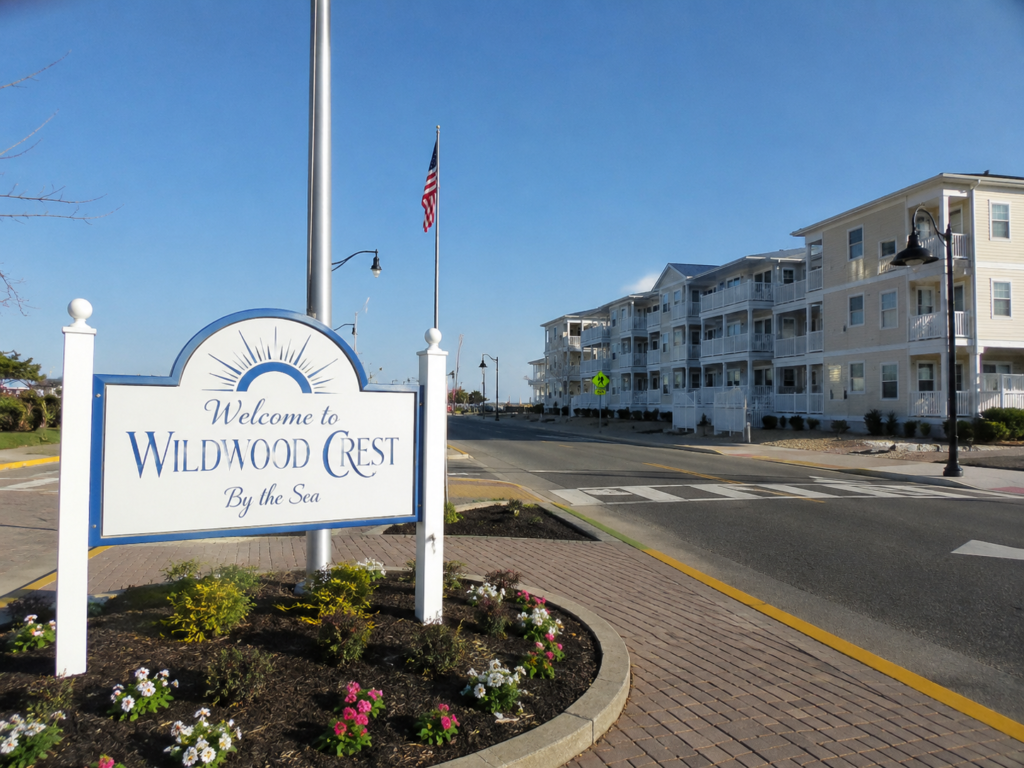
Anyone can repair concrete or replace railings. Doing it successfully in Wildwood Crest is a different story.
The buildings along the Jersey Shore have spent decades exposed to salt air, coastal storms, wind-driven rain, and constant moisture. Those conditions create structural problems that simply aren’t found in most inland properties. Every project requires careful planning because there is very little room for error.
At Lasher Construction, we’ve worked on condominium and commercial restoration projects throughout the South Jersey shore. While every building is different, the challenges in Wildwood Crest are remarkably consistent.
Salt Exposure Never Stops
One of the biggest issues with coastal buildings is corrosion.
Salt doesn’t just affect exposed steel. It works its way through small cracks in concrete, reaches reinforcing steel, and eventually causes that steel to rust. As it expands, the surrounding concrete begins to crack, delaminate, or spall.
By the time concrete starts falling or rust stains appear, the damage has usually been developing for years.
Simply patching the surface rarely solves the problem. The deteriorated concrete must be removed, the reinforcing steel evaluated, repaired or replaced where necessary, and the repair rebuilt using compatible materials designed for a marine environment.
Occupied Condominiums Create Additional Challenges
Many restoration projects in Wildwood Crest take place while residents continue living in the building.
That changes how every phase of construction is approached.
Maintaining safe access, minimizing disruption, coordinating deliveries in limited parking areas, protecting occupied units, and scheduling noisy work all become part of the project. Careful communication with property managers and condominium associations is just as important as the construction itself.
A successful project isn’t only measured by the finished repairs—it’s measured by how smoothly the building operates throughout construction.
Limited Access Means More Planning
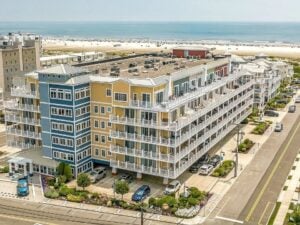
Many shore properties leave very little space between buildings, property lines, pools, parking lots, and public sidewalks.
Equipment placement often becomes one of the first problems to solve.
Scaffolding, swing stages, cranes, material storage, dumpsters, and temporary pedestrian protection all have to fit within tight sites while maintaining safe access for residents and emergency personnel.
Because of these limitations, sequencing becomes critical. Work often has to occur in carefully planned phases to keep the project moving efficiently.
Coastal Weather Can Change Everything
Construction schedules along the coast are heavily influenced by weather.
Strong winds may prevent crane operations or suspended scaffold work. Afternoon storms can delay waterproofing applications. High humidity affects curing times for many repair materials and coatings.
Rather than forcing work under poor conditions, experienced contractors build flexibility into the schedule and choose products appropriate for the environment.
Matching Existing Construction
Many condominium buildings in Wildwood Crest were built decades ago using details that are no longer common today.
Existing reinforcing layouts, embedded steel, concrete strengths, waterproofing systems, and previous repairs often differ from the original drawings—or from one section of the building to another.
This is why field verification is so important. Construction documents provide direction, but experienced restoration contractors know that existing conditions ultimately determine the best repair approach.
Coordination Between Design Professionals and Contractors
Structural restoration projects require close coordination between engineers, architects, manufacturers, and contractors.
Unexpected conditions are common once deteriorated concrete is removed or concealed structural members are exposed.
Having clear communication allows repairs to be evaluated quickly, revised details to be issued when necessary, and work to continue without unnecessary delays.
Long-Term Performance Matters
The goal isn’t simply making a repair look good on the day the project is completed.
A properly executed structural restoration should help extend the service life of the building while reducing future maintenance costs.
That means selecting appropriate repair materials, protecting reinforcing steel, improving waterproofing where needed, and addressing the underlying causes of deterioration instead of only repairing the visible damage.
Working Along the Jersey Shore
Buildings in Wildwood Crest face conditions that few other regions experience year after year. Salt exposure, moisture, wind, aging structures, and occupied properties all create challenges that require careful planning and experienced execution.
At Lasher Construction, we specialize in managing these complex restoration projects—from structural concrete repairs and waterproofing to steel reinforcement and building rehabilitation. Our approach focuses on identifying the root cause of deterioration, coordinating with engineers and property managers, and delivering repairs designed to perform in the demanding coastal environment.
When restoration is done correctly, the result isn’t just a repaired building—it’s a structure that’s better prepared for the years ahead.